What Is a Multi-Species Fishing Trip? Your Full Guide
July 15, 2026, 7
What Is a Multi-Species Fishing Trip? Your Full Guide
TL;DR:
- A multi-species fishing trip targets several fish types in one outing using versatile gear and adaptable techniques. Planning around a primary species and sharing habitats with bonus species maximizes productivity and allows real-time adjustments based on conditions. These trips provide rapid skill development and appeal to all experience levels by emphasizing variety and flexibility over trophy chasing.
A multi-species fishing trip is a guided or self-directed fishing excursion designed to catch several different types of fish within one outing rather than focusing on a single species. The industry term for this approach is “mixed-bag” or “multi-species angling,” and it has become one of the most popular formats for fishing tourists worldwide. Trips typically target 3–5 species, such as halibut, lingcod, rockfish, and salmon, within sessions lasting 5–12 hours. Prices range from $250 for shorter inshore trips to $600 or more for full-day offshore excursions. Justfishinggroup offers multi-species fishing destinations across the Maldives, UAE, Kenya, Seychelles, Egypt, and beyond, making it a strong starting point for anglers planning their first mixed-bag adventure.
What is a multi-species fishing trip, and what species can you catch?
The species you target on a mixed-bag trip depend almost entirely on geography and season. Saltwater trips along the Pacific Coast commonly pursue halibut, salmon, lingcod, rockfish, and yelloweye rockfish. Freshwater trips in regions like Ontario or Minnesota focus on walleye, bass, northern pike, and perch. The overlap between habitats is what makes these trips work: salmon are caught by trolling with downriggers, while halibut respond to bottom bait rigs, and rockfish and lingcod hit lead-head jigs while drifting. A single day on the water can require three completely different presentations.
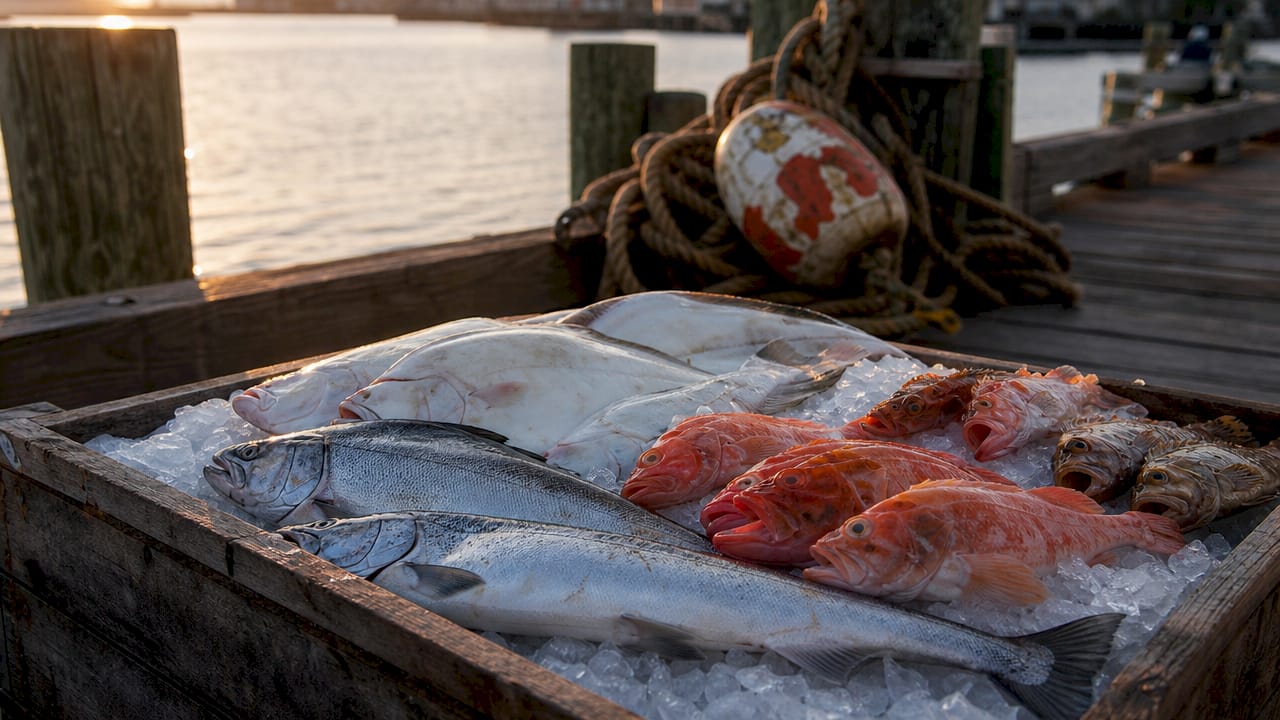
Seasonal timing controls which species are available. Salmon runs peak in summer and early fall. Halibut season opens in spring and runs through fall in most regions. Rockfish are available year-round in many areas but concentrate at specific depths depending on water temperature. Guides who specialize in multi-species angling build their itineraries around these windows, stacking species that share peak activity periods to reduce dead time on the water.
| Species | Habitat | Primary Technique | Best Season |
|---|---|---|---|
| Halibut | Deep bottom | Bottom bait rigs | Spring–Fall |
| Salmon | Open water, mid-column | Trolling with downriggers | Summer–Early Fall |
| Lingcod | Rocky reef, bottom | Lead-head jigs, drifting | Spring–Summer |
| Rockfish | Rocky structure | Lead-head jigs, dropper loops | Year-round |
| Walleye (freshwater) | Mid-depth, structure | Jigging, live bait rigs | Spring, Fall |
What gear do you need for a multi-species trip?
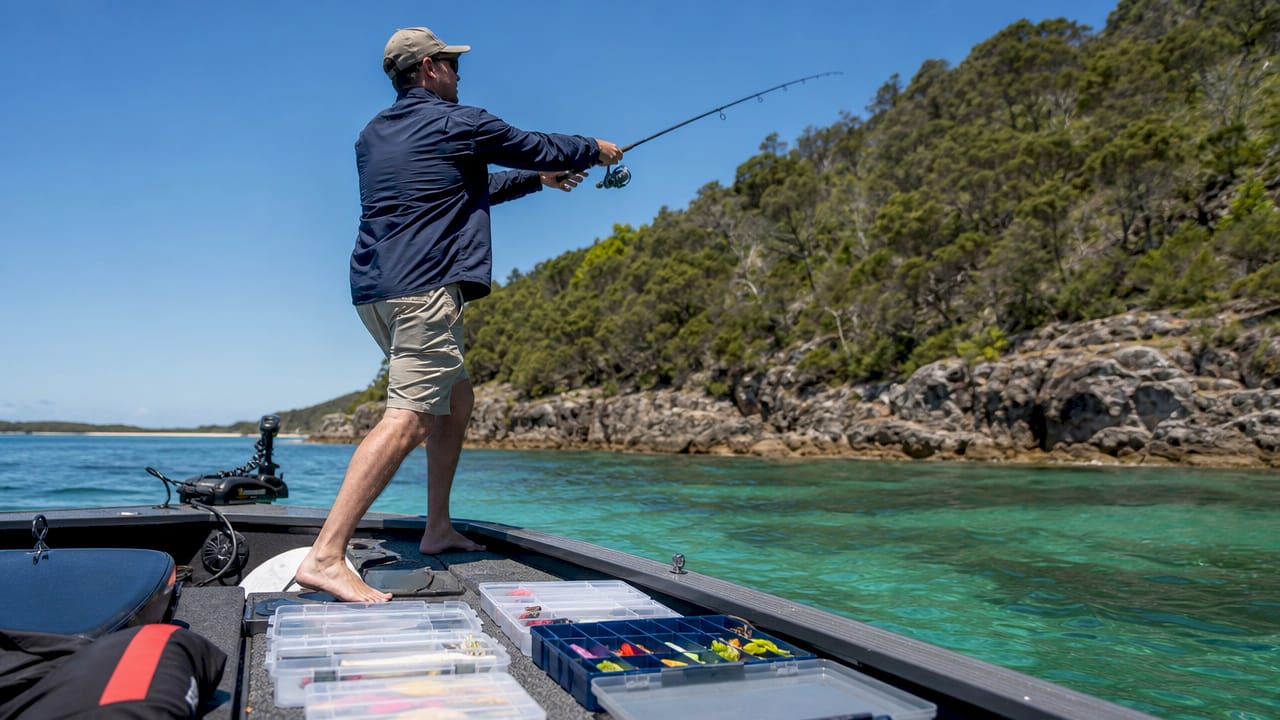
Versatility is the defining requirement for multi-species tackle. A medium-heavy spinning rod rated for 15–30 lb line handles most saltwater mixed-bag scenarios, covering both bottom fishing and mid-water trolling with minimal adjustment. Reels with a smooth drag system matter more than raw line capacity because species like salmon and lingcod fight in completely different ways. Most charter operators provide versatile terminal tackle, bait, and safety gear, but fish processing is often an added cost, so confirm what is included before booking.
The rig setup is where multi-species fishing gets technical. Three rigs cover the majority of scenarios:
- High-low rig: Two hooks at different depths on the same line. Targets bottom-dwellers and mid-column fish simultaneously.
- Drop shot rig: Hook suspended above a weight. Keeps bait at a precise depth, ideal for finicky species like walleye or rockfish.
- Carolina rig: Sliding sinker above a leader and hook. Covers sandy or muddy bottoms where halibut and flounder feed.
Multi-rig setups like these let anglers present bait at different depths with a single cast. That efficiency is the mechanical reason mixed-bag trips work so well: you cover more of the water column without moving the boat.
Pro Tip: Pack a versatile plier in your tackle bag. Switching rigs quickly between species is where most anglers lose time, and a quality multi-tool plier cuts that transition from two minutes to thirty seconds.
Lures also need to cross species lines. Squid jigs, slim minnow profiles, and sinking stick baits each attract different predators. A big game squid jig that pulls yellowfin tuna can also draw lingcod off a reef. Carrying three to five lure styles in different weights covers most situations without overloading your bag.
How do you plan a multi-species fishing trip for maximum results?
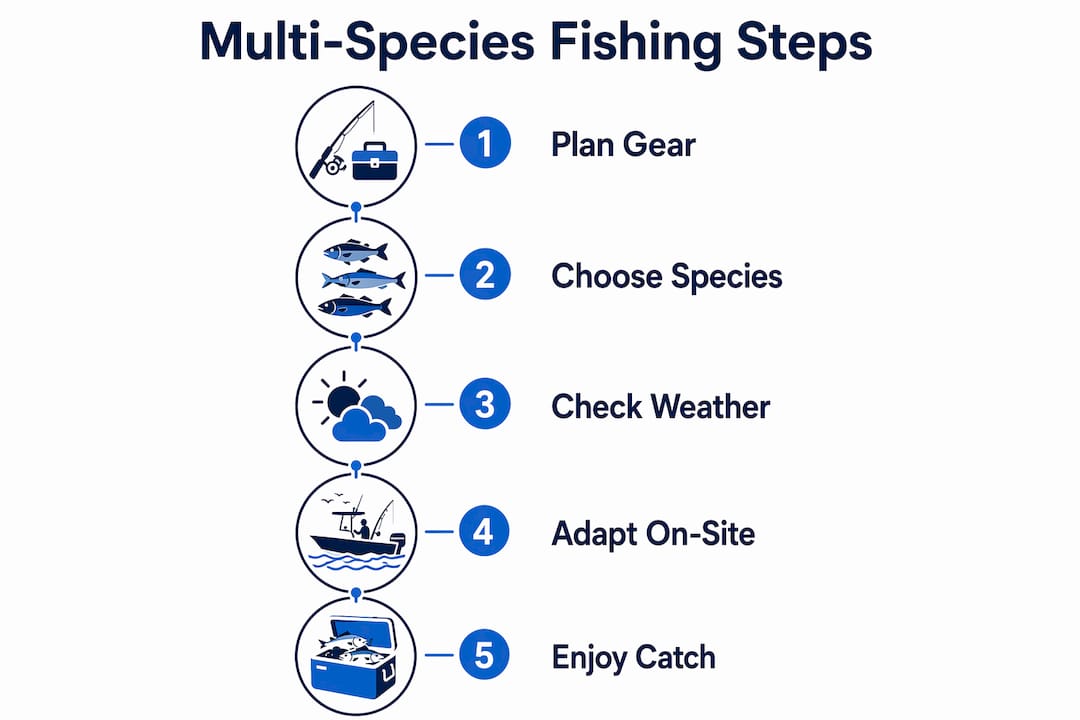
The most effective planning approach starts with one centerpiece species and builds secondary targets around it. Optimal planning selects one primary species and bonus species that share similar ecosystems, so moving between targets does not require long repositioning runs. If your centerpiece is halibut, your bonus species should be rockfish and lingcod, all of which live in the same deep, rocky structure. Chasing salmon as a bonus when your primary is halibut means burning an hour of travel time each way.
Follow this four-step planning sequence for a productive outing:
- Choose your centerpiece species. Pick the fish you most want to catch and build the trip around its peak season and habitat.
- Identify two or three bonus species that share the same depth zone or structure type as your primary target.
- Time your trip to feeding windows. Tides, dawn, and dusk trigger the most activity. Timing trips to peak feeding windows maximizes simultaneous multi-species activity across your target list.
- Build a flexible itinerary. Set location checkpoints, not rigid schedules. If the halibut bite turns off at noon, your guide should be free to pivot to a rockfish reef without debate.
Weather and tidal movement are the two variables most anglers underestimate. A strong incoming tide pushes baitfish onto structure, which stacks predators. A falling tide pulls fish off the flats and into channels. Reading these patterns in real time separates productive mixed-bag trips from frustrating ones.
Pro Tip: Check the Justfishinggroup blog before your trip for destination-specific timing advice. Regional guides post updated bite reports that are far more accurate than generic seasonal calendars.
Success requires flexibility to pivot based on real-time feedback rather than rigid adherence to a preset plan. If a secondary species is biting hard and your group is excelling at it, shift focus. Total engagement across the day matters more than checking every species off a list.
What to expect on a multi-species fishing trip
A typical mixed-bag trip runs 5–12 hours, with most half-day charters covering two to three species and full-day trips reaching four or five. Multi-day packages can span six days and combine river, saltwater, and fly-out fishing with varied transport modes. The pacing is faster than a single-species trip because guides rotate locations and techniques throughout the day.
Here is what the experience typically looks like:
- Morning start (6:00–8:00 AM): Departure and travel to the first location. Guides brief anglers on the day’s target species and rig setup.
- First session (8:00–11:00 AM): Primary species targeted at peak morning feeding time.
- Midday pivot (11:00 AM–1:00 PM): Location or technique change based on bite activity. Secondary species become the focus.
- Afternoon session (1:00–4:00 PM): Bonus species targeted, often in shallower structure as afternoon light changes fish behavior.
- Return and processing: Fish are counted against daily limits, and processing options are confirmed with the operator.
Multi-species fishing trips accelerate skill development by exposing anglers to diverse techniques within a single outing. That compressed learning is the clearest advantage over single-species trips. A first-time angler who spends a day switching between jigging for rockfish and trolling for salmon leaves with two functional skill sets instead of one. Groups with mixed experience levels also benefit because slower anglers can focus on one technique while more experienced anglers push into secondary targets.
One trade-off is worth understanding clearly. Prioritizing catch limits over selective trophy fishing yields a fuller multi-species experience. If you spend three hours hunting a single giant halibut, you lose the afternoon window for rockfish and salmon. The anglers who enjoy mixed-bag trips most are those who value variety and volume over the pursuit of one record-breaking fish.
Key Takeaways
A multi-species fishing trip delivers the most value when anglers plan around one centerpiece species, carry versatile gear, and stay flexible enough to pivot when conditions change.
| Point | Details |
|---|---|
| Define your centerpiece species | Build the trip around one primary target, then add bonus species that share the same habitat. |
| Use multi-rig setups | High-low, drop shot, and Carolina rigs cover multiple depths with a single cast, saving time and effort. |
| Time trips to feeding windows | Tidal changes, dawn, and dusk trigger peak activity across multiple species simultaneously. |
| Prioritize variety over trophies | Securing limits across species produces a fuller experience than chasing one record-breaking fish. |
| Stay flexible on the water | Real-time pivoting based on bite activity consistently outperforms rigid trip plans. |
Why flexibility matters more than any plan you make
I have been on mixed-bag trips where the pre-trip plan fell apart by 9:00 AM. The halibut were not where the charts said they would be, the salmon were running two weeks early, and the guide had to make a call on the fly. The trips that went well were not the ones with the best plans. They were the ones with guides who read the water honestly and anglers who trusted the pivot.
The biggest mistake I see recreational anglers make is treating a multi-species itinerary like a checklist. They get fixated on catching every species on the list and miss the fact that the lingcod are absolutely stacking on a nearby reef. The main advantage of multi-species charters is educational: the trips force you to adapt fast. That adaptability is a skill you carry into every future outing.
Mixed-bag fishing is also the best format for groups with different experience levels. A beginner can work a high-low rig on the bottom while an experienced angler trolls for salmon off the stern. Nobody is bored, nobody is waiting, and everyone catches fish. That shared engagement is something a single-species trip rarely delivers.
The one misconception I want to correct: multi-species trips are not a compromise. They are not what you book when you cannot decide what to fish for. They are a deliberate strategy for maximizing time on the water, building skills faster, and coming home with a cooler full of variety. If you have only fished for one species at a time, a mixed-bag trip will change how you think about fishing entirely.
— Alaa
Plan your next multi-species fishing adventure with Justfishinggroup
Justfishinggroup connects anglers with fishing trips across some of the world’s best multi-species destinations, including the Maldives, UAE, Kenya, Seychelles, and Morocco. Whether you are booking your first mixed-bag charter or adding a new destination to your list, the platform covers trip planning and gear in one place.
The gear section stocks tackle built for species variety, from sinkers with swivels for multi-rig setups to lures that cross species lines. Anglers can browse fishing trips and destinations by region, compare trip formats, and book directly through the site. For anglers who want to read more before booking, the Justfishinggroup blog covers destination-specific tips, seasonal timing, and gear recommendations updated regularly. Visit Justfishinggroup to find a trip that fits your target species and travel window.
FAQ
What is a multi-species fishing trip?
A multi-species fishing trip is a guided or self-directed outing designed to catch several different fish species in a single session rather than targeting one species exclusively. Trips typically target 3–5 species and run 5–12 hours depending on the charter format.
How much does a multi-species fishing trip cost?
Prices range from $250 for shorter inshore trips to $600 or more for full-day offshore excursions. Multi-day packages that include river, saltwater, and fly-out fishing are priced higher and vary by operator and destination.
What gear should I bring on a multi-species trip?
Most charters provide rods, reels, terminal tackle, bait, and safety gear. Anglers benefit from packing a quality plier for quick rig changes, a selection of lures in different weights, and appropriate rain gear for offshore conditions.
Is multi-species fishing better for beginners or experienced anglers?
Mixed-bag trips work well for both. Multi-species fishing accelerates skill development by exposing anglers to diverse techniques in one outing, making it one of the fastest ways for beginners to build a broad skill set.
How do I choose which species to target on a mixed-bag trip?
Start with one centerpiece species based on your destination and season, then add two or three bonus species that share the same habitat. Selecting species that inhabit similar ecosystems minimizes travel time between locations and keeps the action consistent throughout the day.
Recommended
Customer Reviews
Rate this blog
Rating Breakdown
Categories
Popular Tags